What Is the Minimum Temperature to Keep Pipes From Freezing?
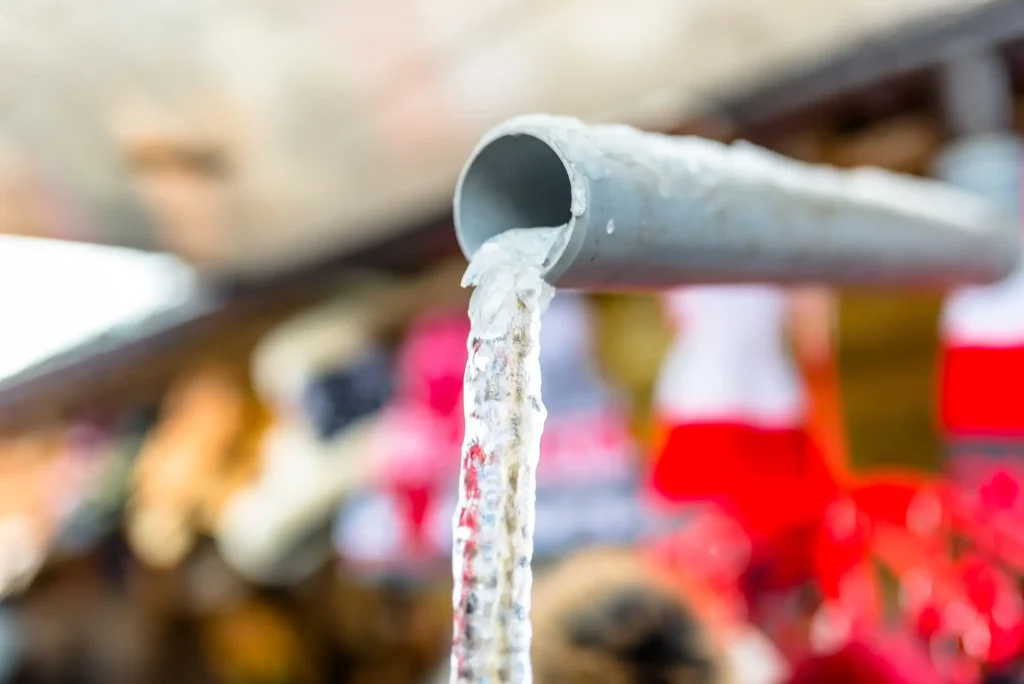
Understanding the minimum temperature to keep pipes from freezing (and prevent water damage) involves two different temperature measurements:
1. Your Home’s Thermostat (Interior Temperature)
How do I stop my pipes from freezing from the inside and prevent water damage? Maintain these minimum interior temperatures:
- Absolute minimum when away: 55°F (risky for vulnerable pipes and potential water damage)
- Recommended minimum: 60°F (safer for most Denver homes)
- During extreme cold (below 10°F outside): 65°F (optimal freeze and water damage protection)
- When leaving for extended periods: 55-60°F minimum (NEVER turn heat off completely — this is the #1 cause of vacation-related water damage)
Why these specific temperatures? Pipes in exterior walls or near the foundation can be 10-15°F cooler than your thermostat reading. If your thermostat reads 55°F, pipes in vulnerable locations might be experiencing temperatures near 40-45°F—getting dangerously close to freezing and potential water damage.
2. Outdoor/Exposure Temperatures
The minimum temperature to keep pipes from freezing outdoors depends on insulation and exposure:
- Uninsulated pipes in crawl spaces: Begin freezing at 25°F
- Pipes in exterior walls (minimal insulation): Begin freezing at 20°F
- Well-insulated pipes (R-19 or better): Can withstand down to 15°F
- Heated spaces with properly insulated pipes: Generally safe above 10°F
Common Denver Home Construction Vulnerabilities
Understanding where pipes are most likely to freeze helps you answer the question, “How do I stop my pipes from freezing and prevent water damage?” Let’s examine each vulnerable area and specific protection strategy:
1. Crawl Spaces and Basements—Denver’s #1 Water Damage Zone
Why they’re vulnerable to freezing AND water damage:
- Often unheated or poorly insulated
- Exposed to cold air infiltration through foundation vents
- Common in older Denver neighborhoods (Capitol Hill, Highlands, Washington Park)
- Direct exposure to ground temperatures
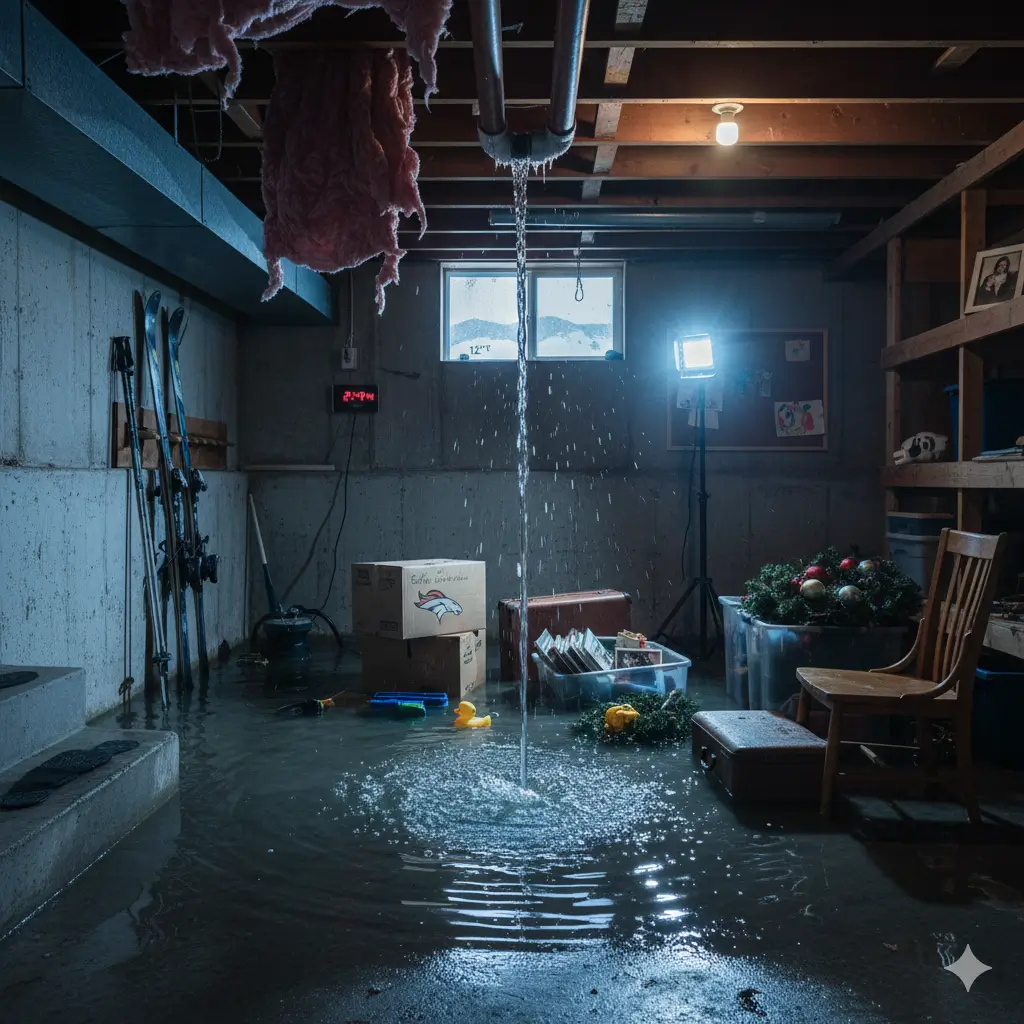
- When pipes burst here, water damage is extensive and hard to detect
How do I stop my pipes from freezing in crawl spaces?
Essential protection strategies:
- Install crawl space insulation (R-19 minimum for Denver—this is non-negotiable)
- Seal foundation vents in winter with insulated covers (open in summer to prevent moisture)
- Use thermostatically-controlled heat tape on all exposed pipes
- Maintain a minimum 55°F temperature with space heaters (rated for crawl space use)
- Install temperature monitors with alerts set at 40°F (warning) and 35°F (critical)
- Professional water damage inspection if you’ve had previous freezing incidents
Crawl space-specific tip: If your crawl space temperature drops below 40°F when outdoor temperatures are at 25°F, you need additional insulation immediately. This is your early warning that you haven’t achieved the minimum temperature to keep pipes from freezing—and you’re at high risk for water damage.
Attic Spaces—Overlooked Water Damage Source
Why they’re vulnerable:
- Extreme temperature variations
- Poor insulation is common in older Denver homes
- Forgotten pipes for evaporative coolers (“swamp coolers”)
- Heat loss through inadequate ceiling insulation
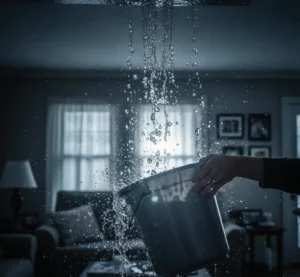
- Attic pipe bursts cause ceiling water damage throughout the home
Protection strategies:
-
- STOP using ALL water immediately
-
- Turn off the main water supply
-
- DO NOT attempt to thaw if you can’t see the frozen section
-
- Call Elyon Restoration emergency water damage line NOW: [(720) 555-ELYON]
-
- Do not leave home until the professional arrives
-
- Prepare for water damage: Move valuables, get towels ready, and locate important documents
- Take photos for insurance if any water damage is visible
- Insulate attic floor to R-49 minimum (Denver building code requirement)
- Wrap all pipes with heat-rated insulation (minimum R-4)
- Install heat tape on pipes that can’t be relocated
- Seal all air leaks from the living space to the attic (a major heat loss source)
- Check insulation annually for settling or damage
- Winterize evaporative cooler systems by October 1
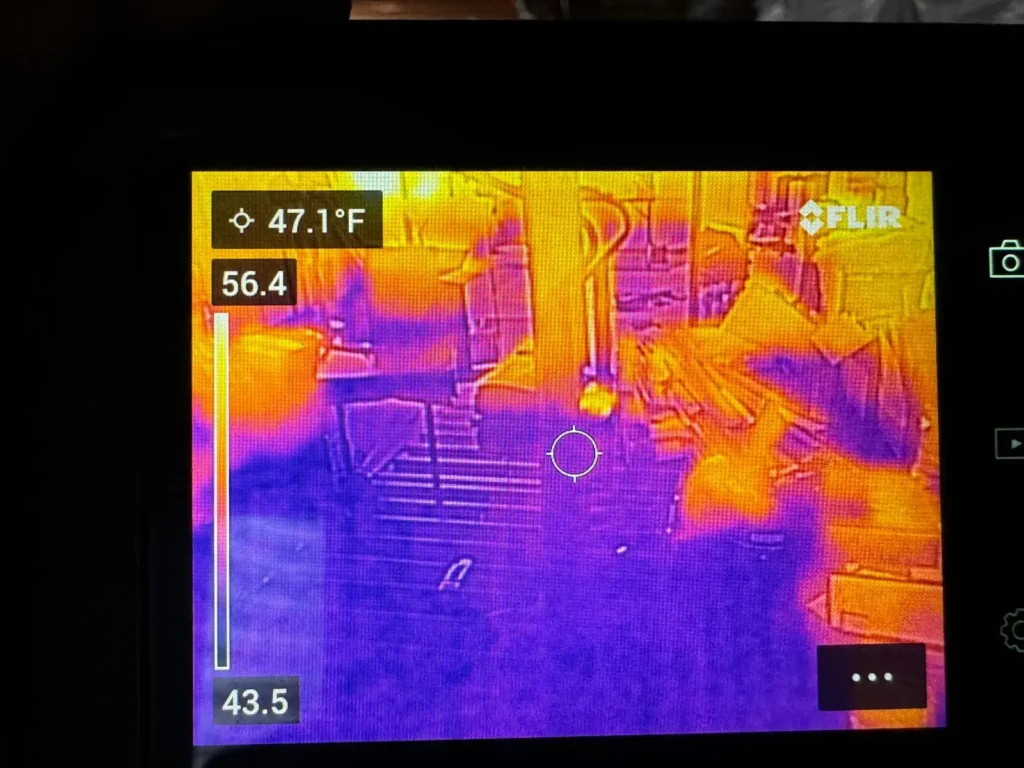
- Professional thermal imaging to detect cold spots