How to Prevent Frozen Pipes in Denver During Winter

Prevention frozen pipes for water damage restoration in Denver

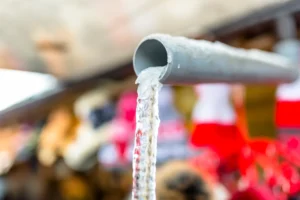
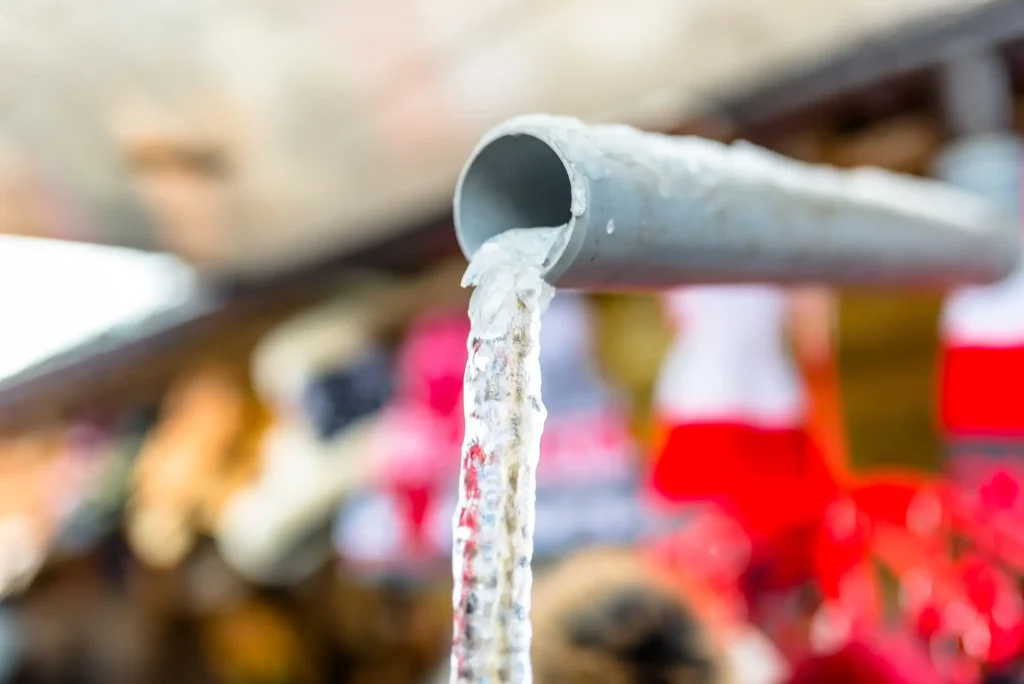
Every Denver winter, thousands of homeowners face the nightmare of frozen and burst pipes, causing an average of $5,000 to $10,000 in water damage per incident. Colorado’s unique climate—with dramatic temperature swings, low humidity, and high elevation—creates the perfect conditions for pipe freezing, even when outdoor temperatures seem mild.

At Elyon Restoration, we’ve responded to countless frozen pipe emergencies across the Denver metro area over the past 20+ years. The good news? Most frozen pipe disasters are completely preventable with the right knowledge and preparation specific to Colorado’s climate.

In this comprehensive guide, we’ll share insider knowledge about protecting your Denver home from frozen pipes, including the critical temperature thresholds for our elevation, the most vulnerable areas in Denver-area homes, and exactly what to do if your pipes freeze.

FROZEN PIPE EMERGENCY? Water Damage Happening Now?
30-minute emergency water extraction | 24/7/365 | Licensed water damage specialists

Understanding the Connection: Frozen Pipes and Water Damage in Denver

Before diving into prevention, it’s crucial to understand why frozen pipes are Denver’s #1 cause of residential water damage during the winter months.

The Frozen Pipe → Water Damage Chain Reaction

  1. Temperature drops below 25°F (Denver’s critical threshold)
  2. Water in pipes freezes and expands (ice increases volume by 9%)
  3. Pipe cracks or bursts from pressure (can happen anywhere in the line)
  4. Ice melts as temperatures rise (often during morning warming)
  5. Water gushes at 8-10 gallons per minute (480+ gallons per hour)
  6. Extensive water damage occurs to floors, walls, ceilings, and contents
  7. Mold growth begins within 24-48 hours if not properly dried

This is why prevention is 100x cheaper than water damage restoration.

💧 Already Experiencing Water Damage from Frozen Pipes?
Not sure if your home is at risk? Don't wait—water damage worsens by the hour.

Why Colorado Pipes Are Especially Vulnerable to Freezing and Water Damage

The Mile High Factor

Denver’s elevation (5,280 feet) creates unique challenges for winter plumbing protection that directly affect when to worry about freezing pipes and potential water damage risks. Our altitude means:

  • Lower boiling and freezing points: Water behaves differently at altitude, affecting how quickly pipes freeze and how rapidly water damage spreads after a burst
  • Rapid temperature fluctuations: Denver can experience 40-50°F temperature swings in 24 hours, creating freeze-thaw cycles that stress pipes
  • Intense UV radiation: Weakens exterior materials faster than at sea level, making pipes more vulnerable
  • Extremely low humidity: Accelerates freeze-thaw cycles that stress pipes AND affects how water damage dries in your home

This is why the minimum temperature to keep pipes from freezing in Denver is actually higher than in other cold-weather cities. While pipes in sea-level cities might not freeze until 20°F, Denver’s unique conditions mean vulnerable pipes can begin freezing at 25°F — and a single burst can release hundreds of gallons, causing severe flood damage to your property.

Denver’s Extreme Temperature Swings

Unlike other cold-weather cities with stable winter temperatures, Denver experiences what locals call “bipolar weather”—sunny 60°F days followed by sub-zero nights. These rapid fluctuations are particularly dangerous because:

  1. Homeowners may turn down heating during warm days
  2. Pipes expand and contract repeatedly, creating weak points
  3. Snowmelt during the day can refreeze at night in vulnerable areas
  4. Thawing can suddenly release burst damage, flooding basements and crawl spaces

Understanding when to worry about freezing pipes becomes critical during these temperature swings. Even after a beautiful 60°F day, Denver nights can still plummet to 15°F, catching unprepared homeowners off guard—and leaving them with thousands in water damage restoration costs.

What Is the Minimum Temperature to Keep Pipes From Freezing?
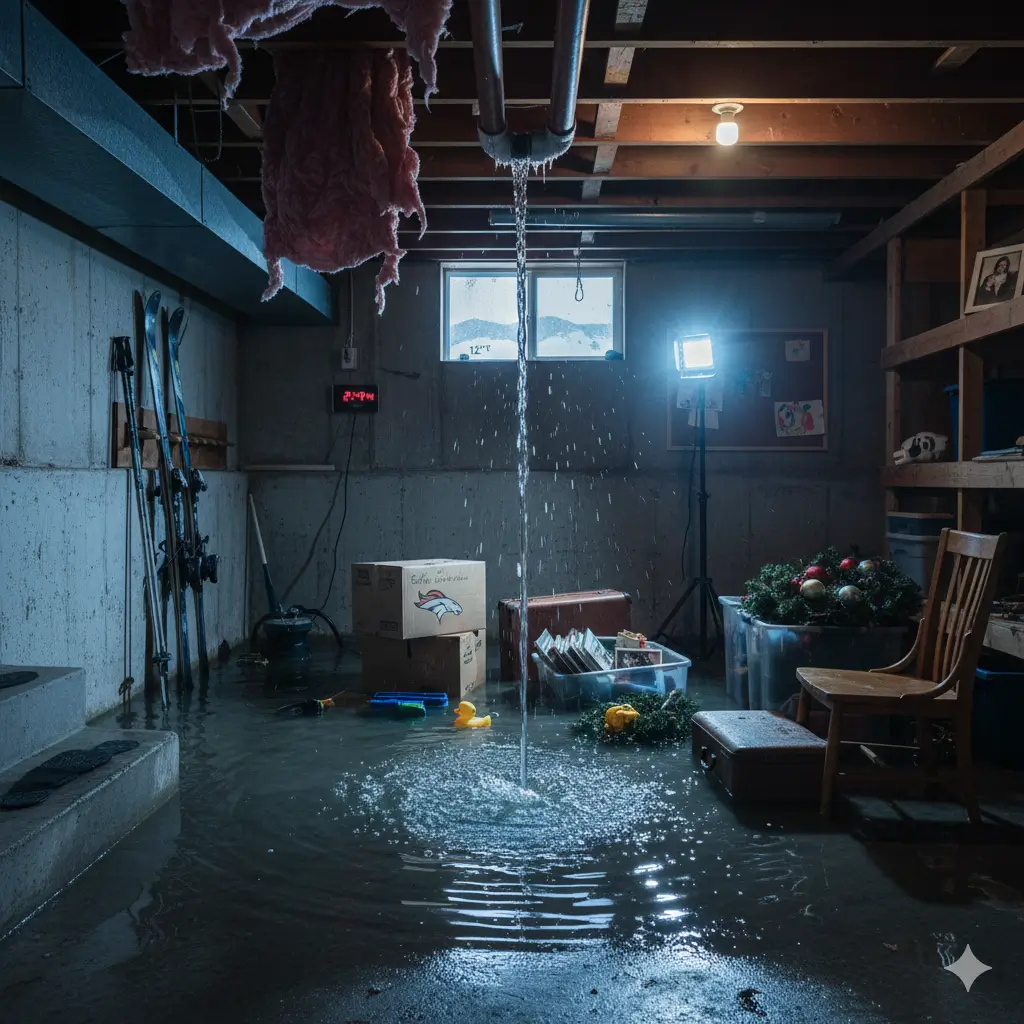
 Emergency water damage Denver basement from burst frozen pipe flooding with damaged Christmas storage boxes and Colorado ski equipment requiring immediate water extraction service 

Understanding the minimum temperature to keep pipes from freezing (and prevent water damage) involves two different temperature measurements:

1. Your Home’s Thermostat (Interior Temperature)

How do I stop my pipes from freezing from the inside and prevent water damage? Maintain these minimum interior temperatures:

  • Absolute minimum when away: 55°F (risky for vulnerable pipes and potential water damage)
  • Recommended minimum: 60°F (safer for most Denver homes)
  • During extreme cold (below 10°F outside): 65°F (optimal freeze and water damage protection)
  • When leaving for extended periods: 55-60°F minimum (NEVER turn heat off completely — this is the #1 cause of vacation-related water damage)

Why these specific temperatures? Pipes in exterior walls or near the foundation can be 10-15°F cooler than your thermostat reading. If your thermostat reads 55°F, pipes in vulnerable locations might be experiencing temperatures near 40-45°F—getting dangerously close to freezing and potential water damage.

2. Outdoor/Exposure Temperatures

The minimum temperature to keep pipes from freezing outdoors depends on insulation and exposure:

  • Uninsulated pipes in crawl spaces: Begin freezing at 25°F
  • Pipes in exterior walls (minimal insulation): Begin freezing at 20°F
  • Well-insulated pipes (R-19 or better): Can withstand down to 15°F
  • Heated spaces with properly insulated pipes: Generally safe above 10°F

Common Denver Home Construction Vulnerabilities

Understanding where pipes are most likely to freeze helps you answer the question, “How do I stop my pipes from freezing and prevent water damage?” Let’s examine each vulnerable area and specific protection strategy:

1. Crawl Spaces and Basements—Denver’s #1 Water Damage Zone

Why they’re vulnerable to freezing AND water damage:

  • Often unheated or poorly insulated
  • Exposed to cold air infiltration through foundation vents
  • Common in older Denver neighborhoods (Capitol Hill, Highlands, Washington Park)
  • Direct exposure to ground temperatures
  • When pipes burst here, water damage is extensive and hard to detect

How do I stop my pipes from freezing in crawl spaces?

Essential protection strategies:

  1. Install crawl space insulation (R-19 minimum for Denver—this is non-negotiable)
  2. Seal foundation vents in winter with insulated covers (open in summer to prevent moisture)
  3. Use thermostatically-controlled heat tape on all exposed pipes
  4. Maintain a minimum 55°F temperature with space heaters (rated for crawl space use)
  5. Install temperature monitors with alerts set at 40°F (warning) and 35°F (critical)
  6. Professional water damage inspection if you’ve had previous freezing incidents

Crawl space-specific tip: If your crawl space temperature drops below 40°F when outdoor temperatures are at 25°F, you need additional insulation immediately. This is your early warning that you haven’t achieved the minimum temperature to keep pipes from freezing—and you’re at high risk for water damage.

Attic Spaces—Overlooked Water Damage Source

Why they’re vulnerable:

  • Extreme temperature variations
  • Poor insulation is common in older Denver homes
  • Forgotten pipes for evaporative coolers (“swamp coolers”)
  • Heat loss through inadequate ceiling insulation
  • Attic pipe bursts cause ceiling water damage throughout the home

Protection strategies:


    1. STOP using ALL water immediately

    1. Turn off the main water supply

    1. DO NOT attempt to thaw if you can’t see the frozen section

    1. Call Elyon Restoration emergency water damage line NOW: [(720) 555-ELYON]

    1. Do not leave home until the professional arrives

    1. Prepare for water damage: Move valuables, get towels ready, and locate important documents

  1. Take photos for insurance if any water damage is visible

Contact with Denver Water Damage Specialist

  • Insulate attic floor to R-49 minimum (Denver building code requirement)
  • Wrap all pipes with heat-rated insulation (minimum R-4)
  • Install heat tape on pipes that can’t be relocated
  • Seal all air leaks from the living space to the attic (a major heat loss source)
  • Check insulation annually for settling or damage
  • Winterize evaporative cooler systems by October 1
  • Professional thermal imaging to detect cold spots
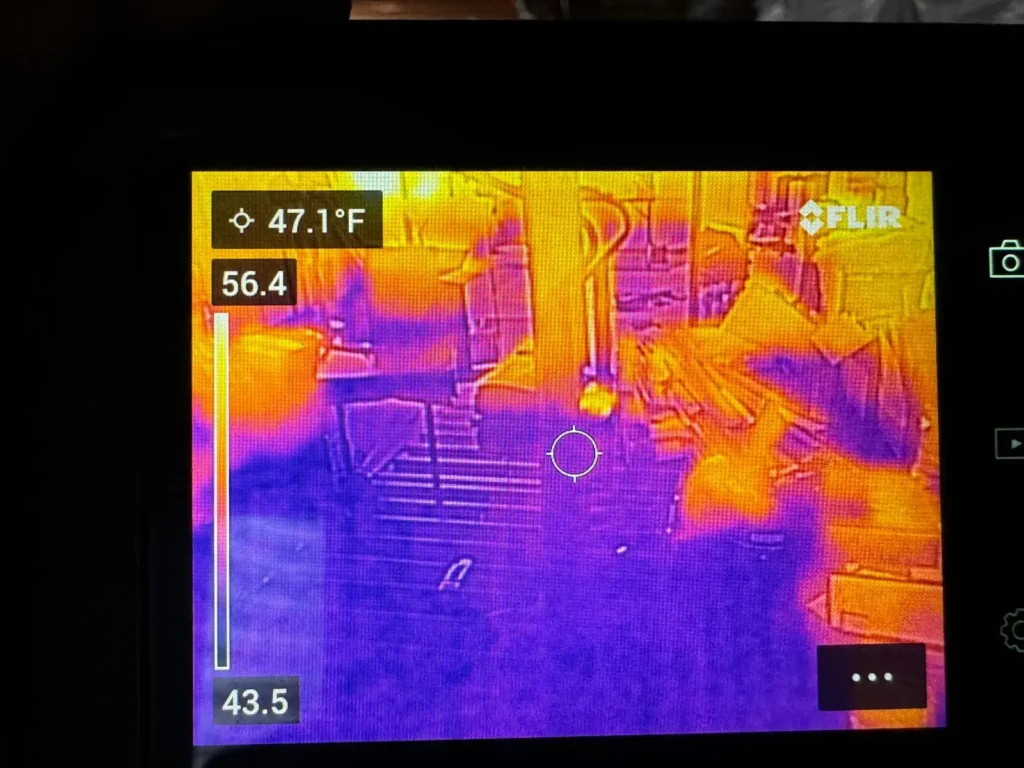
Thermal Imaging Water Damage Risk Assessment
Not sure where your pipes are vulnerable?

Warning Signs Your Denver Pipes May Be Freezing 

Professional thermal imaging inspection detecting vulnerable freeze zones in Denver basement before pipes burst and cause water damage

Knowing when to worry about freezing pipes includes recognizing early warning signs. Catching a freeze early can prevent a burst and save you from extensive water damage restoration costs.

Immediate Warning Signs (Take Action Within Minutes to Prevent Water Damage)

1. Reduced Water Flow (Partial Freeze in Progress)

What you’ll notice:


    • Trickle instead of normal flow from the faucet

    • Some fixtures work normally while others don’t

    • Water pressure drops suddenly across the entire house

    • Water flows, then stops intermittently

What this means: Ice is forming in the pipe, but hasn’t completely blocked flow yet. This is your critical window to prevent water damage.

Immediate action to prevent water damage:


    1. Locate the affected pipe immediately (trace from weak fixture to source)

    1. Increase the heat in the area dramatically

    1. Apply safe heating (hair dryer on low—see thawing section)

    1. Keep faucet open (allows pressure release)

2. Frost on Exposed Pipes (Active Freezing)

What you’ll notice:


    • Visible ice crystals on the exterior of pipes

    • Condensation freezing on copper or PEX

    • White frost coating on pipes in the crawl space or attic

    • Bulging in pipe walls (severe—indicates imminent burst and water damage)

What this means: Pipe temperature is at or below 32°F. Freezing is occurring right now. Burst and water damage are imminent.

Immediate action:


    1. DO NOT use open flame or high heat

    1. Apply gentle heat with a hair dryer

    1. Wrap the pipe with hot towels

    1. Increase the room temperature immediately

    1. Monitor constantly for bursting — have towels ready

3. Unusual Sounds (Stress and Expansion)

What you’ll hear:


    • Loud banging or clanking (pipes expanding/contracting rapidly)

    • Whistling when turning on water (restriction in the line)

    • Gurgling from drains (ice blocking vent pipes)

    • Squeaking or creaking from walls (pipes moving)

What this means: Temperature stress is causing pipe movement or partial blockage. Burst risk is increasing.

4. Strange Odors (Backup or Hidden Leak)

What you’ll smell:


    • Sewage smell in the home (frozen drain pipes blocking sewer gas)

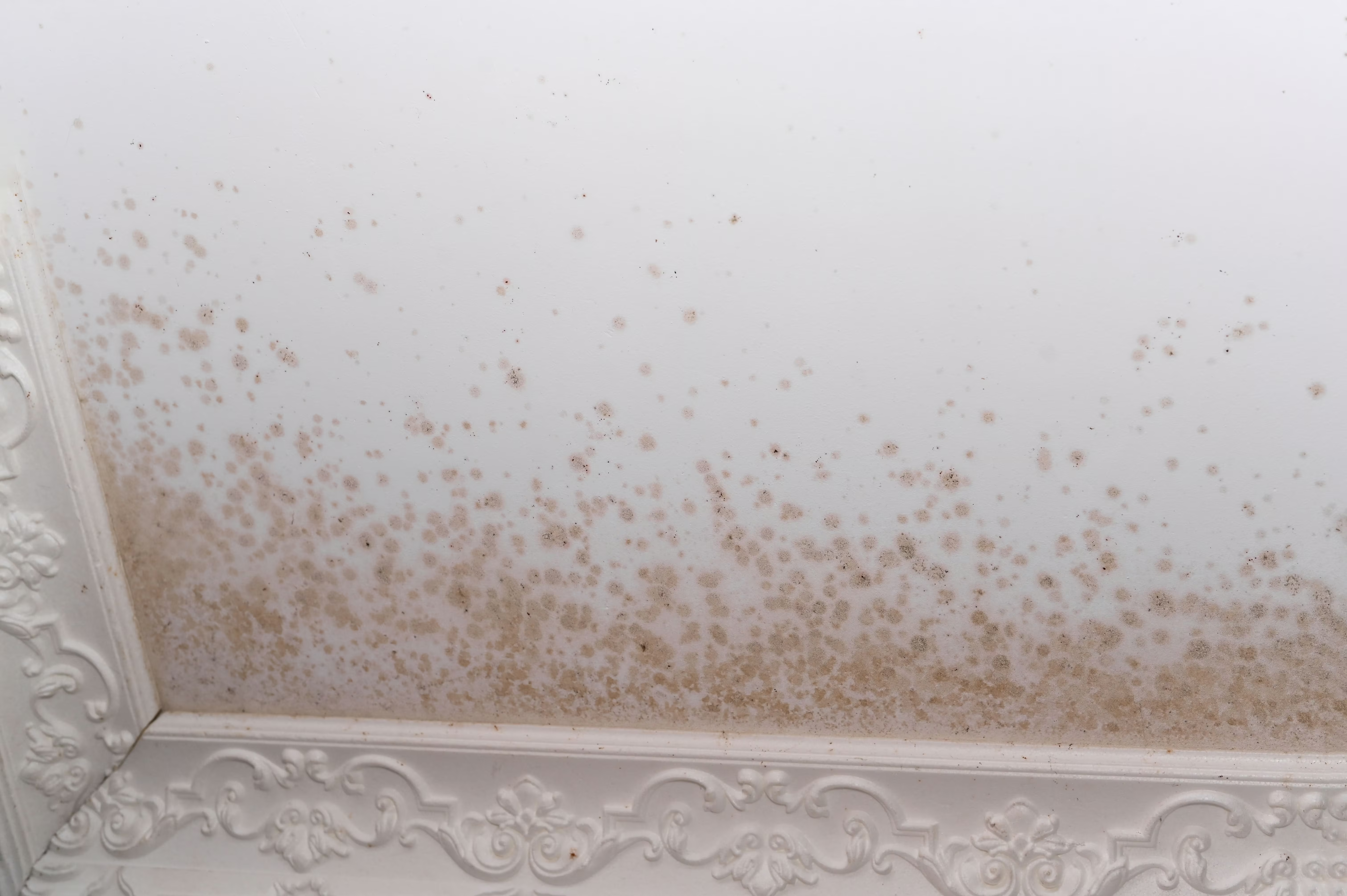
    • Musty, damp odors (hidden water damage from previous freeze)

    • Chemical smell (antifreeze or water treatment leak)

What this means: Either the drain pipes are frozen (sewage smell) or you have an active leak you haven’t discovered. Hidden water damage may already be occurring.

CRITICAL IMMEDIATE ACTION:


    • Call the water damage emergency line

    • Don’t use drains if sewage smells are present

    • Check for water stains on walls and ceilings

    • Turn off the main water if the smell is strong

    • Prepare for emergency water extraction

5. No Water Flow (Complete Freeze – Water Damage Likely)

What happens:


    • Complete stop of water from the fixture

    • Affects a single fixture or the entire house

    • The toilet won’t refill after flush

    • No water from any tap

What this means: Complete ice blockage. Burst is likely imminent during thaw. Major water damage is probable.

CRITICAL WATER DAMAGE EMERGENCY PROTOCOL:


    1. STOP using ALL water immediately

    1. Turn off the main water supply

    1. DO NOT attempt to thaw if you can’t see the frozen section

    1. Call Elyon Restoration emergency water damage line NOW: [(720) 555-ELYON]

    1. Do not leave home until the professional arrives

    1. Prepare for water damage: Move valuables, get towels ready, and locate important documents

  1. Take photos for insurance if any water damage is visible

Contact with Denver Water Damage Specialist

Share this :
Do you need a restoration services?
Latest Post