Winter in the Mile High City brings breathtaking snow-covered peaks and crisp mountain air—but it also creates the perfect conditions for one of Colorado’s most destructive yet preventable home emergencies: ice dam formation and the devastating water damage that follows.
The Hidden Threat Lurking on Your Denver Roof
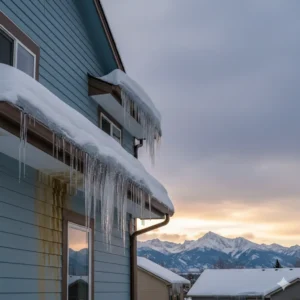
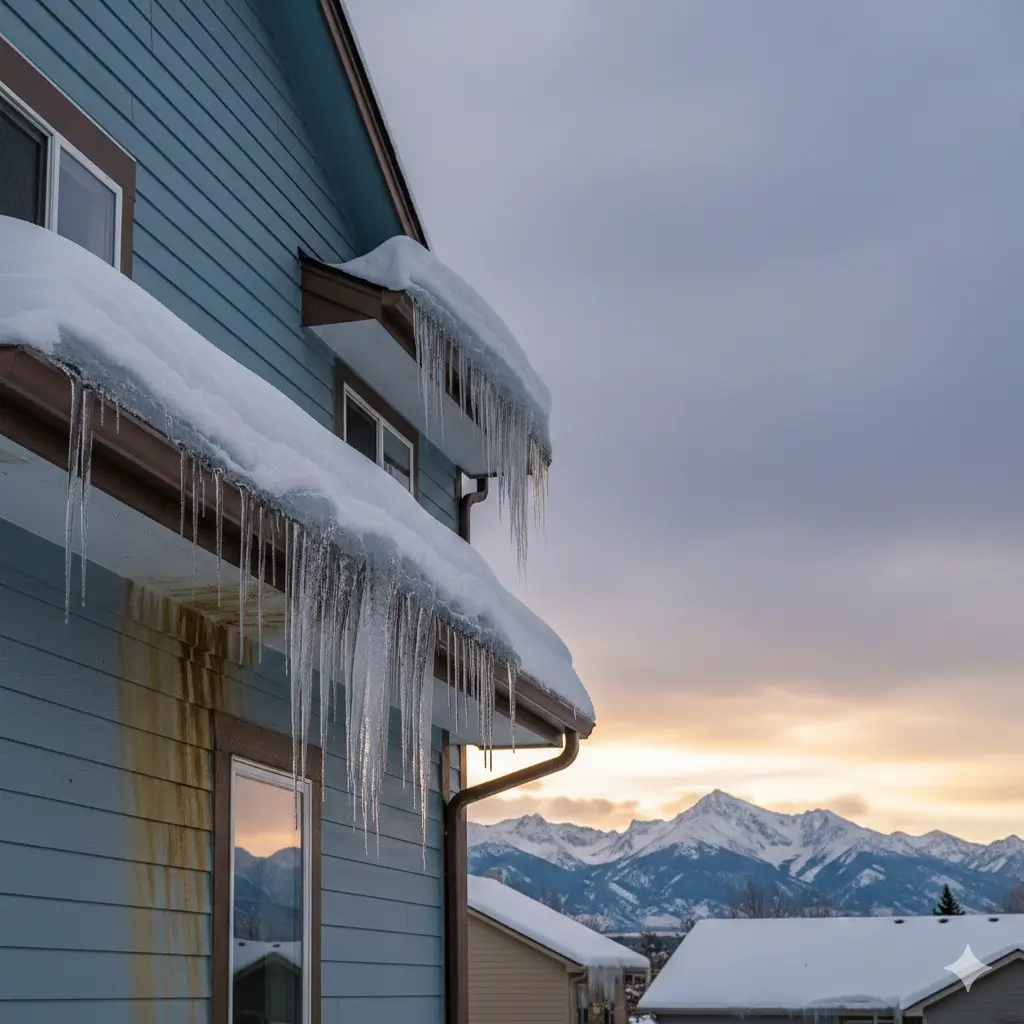
You’ve noticed icicles hanging from your gutters. They look beautiful, almost picturesque against the backdrop of the Front Range. But those seemingly innocent icicles are warning signs of a dangerous problem developing on your roof—ice dams that can cause thousands of dollars in water damage to your Aurora, Lakewood, or Littleton home.
Here’s the harsh reality: Colorado’s unique climate—with its intense sun exposure, dramatic temperature swings, and heavy snow accumulation at our 5,280-foot elevation—creates ideal conditions for ice dams. When these frozen barriers form along your roof edge, they trap melting snow behind them. That trapped water has nowhere to go except under your shingles, into your attic, down your walls, and throughout your home’s interior.
The good news? Ice dam damage is preventable, and when caught early, professional water damage restoration can protect your home and your family from long-term consequences like mold growth, structural deterioration, and compromised indoor air quality.
What Causes Ice Dams in Colorado Homes?
Understanding why ice dams form in Denver and surrounding communities is the first step in preventing them. Unlike lower-elevation climates where temperatures stay consistently cold, Colorado’s weather patterns create a dangerous cycle.
The High-Altitude Ice Dam Formula
Ice dams form through a specific sequence that Colorado homeowners know all too well:
- Heavy snow accumulation blankets your roof after one of our infamous Front Range storms
- Heat escapes from your living space into an inadequately insulated attic
- Warm attic air melts the snow on the upper portions of your roof
- Meltwater flows downward toward the colder roof edges and gutters
- Water refreezes at the eaves, creating an ice barrier that grows with each freeze-thaw cycle
- Trapped meltwater backs up under shingles, finding any weakness in your roof’s defenses
Colorado’s Unique Temperature Fluctuations
What makes ice dams particularly problematic in Denver, Boulder, and Colorado Springs is our dramatic daily temperature swings. A sunny winter afternoon can reach 50°F, melting roof snow rapidly, while nighttime temperatures plunge to 15°F, freezing that meltwater solid. This constant cycle accelerates ice dam formation—often faster than homeowners in other climates experience.
The altitude factor also plays a crucial role. At 5,280 feet and higher, the sun’s intensity is approximately 25% stronger than at sea level, creating more rapid snowmelt even when air temperatures remain cold. This phenomenon is especially pronounced on south-facing roofs in neighborhoods like Highlands Ranch, Castle Rock, and Parker.
Warning Signs of Ice Dam Damage: What Denver Homeowners Must Watch For
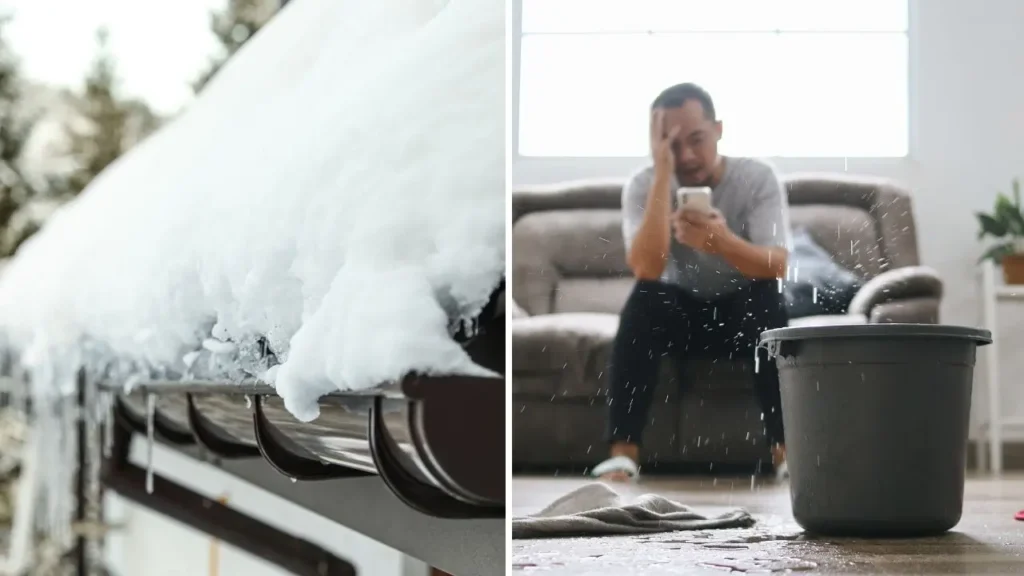
Catching ice dam damage early can save you tens of thousands in restoration costs. Watch for these critical warning signs throughout winter:
Exterior indicators:
- Icicles forming along gutters and eaves (especially large or numerous icicles)
- Ice buildup is visible at the roof edges, creating thick ridges
- Sagging or damaged gutters from ice weight
- Ice formations around soffit vents or along fascia boards
Interior warning signs:
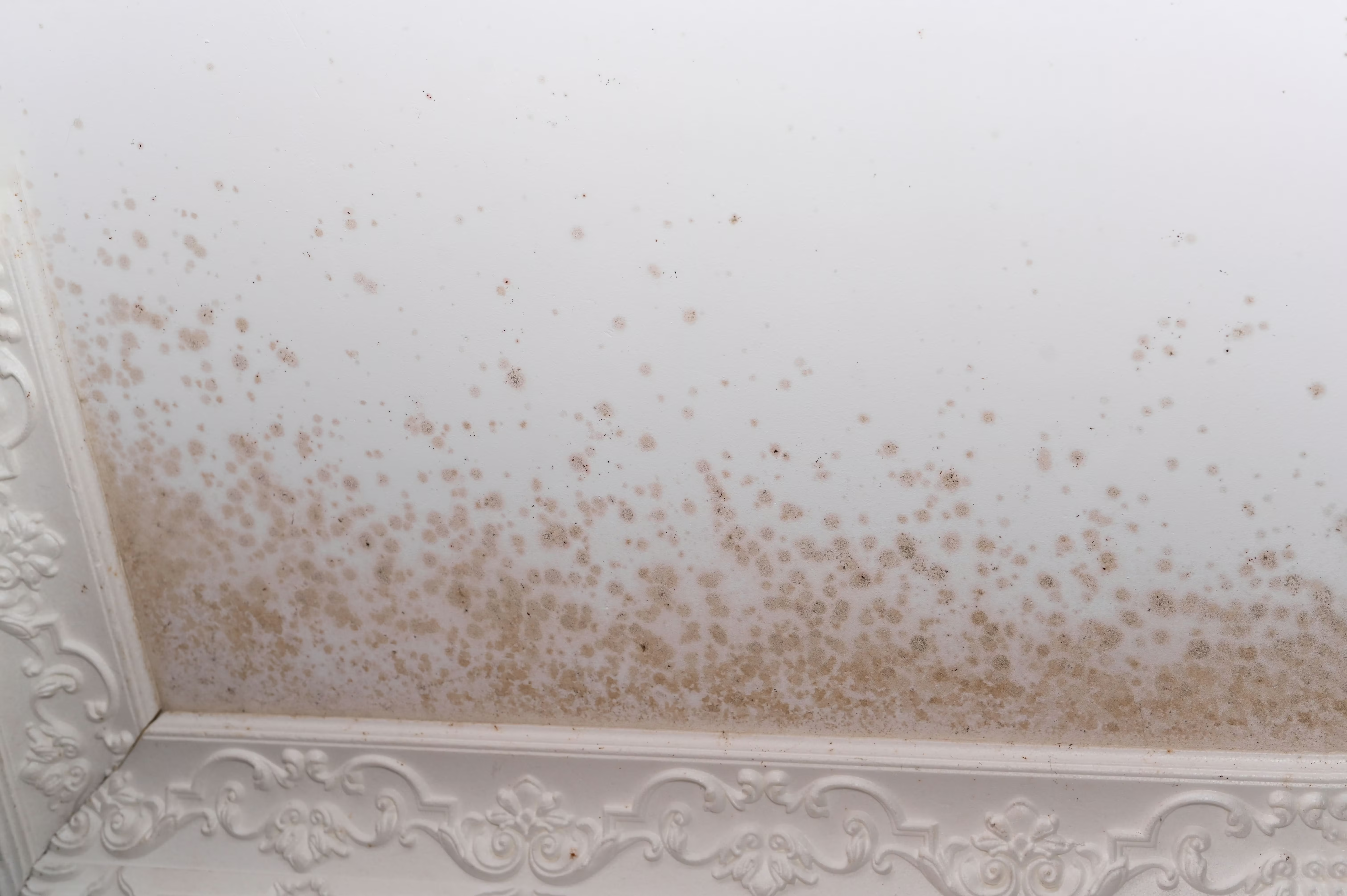
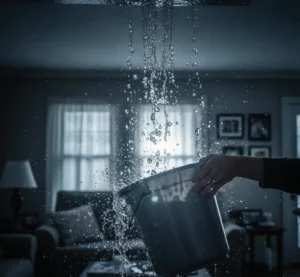
- Water stains on ceilings in rooms below the roofline (particularly in upstairs bedrooms or along exterior walls)
- Peeling paint or wallpaper near the ceiling lines
- Damp insulation is visible in attic spaces
- Musty odors indicate hidden moisture and potential mold growth requiring professional remediation
- Dripping sounds within walls or ceilings during warm periods
If you notice any of these signs in your Aurora, Lakewood, or Littleton home, immediate action is critical. Water from ice dams doesn’t just damage drywall—it saturates insulation (reducing its effectiveness permanently), promotes mold growth within 24-48 hours, and can compromise structural framing.
The Hidden Costs of Ice Dam Water Damage in Colorado Properties
Many Denver-area homeowners underestimate the true financial impact of ice dam damage. The initial water intrusion is just the beginning.
Immediate damage:
- Ceiling and wall drywall replacement: $500-$3,000 per room
- Insulation saturation and replacement: $1,500-$4,000
- Flooring damage (especially hardwood): $2,000-$8,000
- Emergency water extraction and drying: $1,000-$5,000
Long-term consequences if not properly addressed:
- Mold remediation: $2,000-$10,000+ (essential in Colorado’s dry climate once moisture introduces mold spores)
- Structural wood rot: $3,000-$15,000 for framing repairs
- Roof decking replacement: $2,500-$8,000
- Compromised insulation efficiency: Ongoing increased heating costs of $200-$500 annually
Colorado homeowners face an additional challenge: 74% of properties affected by major disasters are underinsured, with many policies covering less than 75% of replacement costs. This underinsurance crisis—highlighted by the 2021 Marshall Fire, which caused $2 billion in insured losses—means out-of-pocket expenses can devastate family finances if ice-dam damage isn’t prevented or addressed immediately by professionals.
How to Prevent Ice Dams in Denver and Front Range Homes
Prevention is exponentially more cost-effective than restoration. These proven strategies protect Colorado homes from ice dam formation:
Attic Insulation: Your First Line of Defense
Proper attic insulation specific to Colorado’s climate requirements is critical. The recommended R-value for Denver-area attics is R-49 to R-60—significantly higher than what many older homes contain.
Professional insulation assessment should verify:
- Consistent coverage with no gaps around chimney chases, recessed lighting, or attic hatches
- Air sealing of all penetrations where warm air escapes from living spaces
- Proper depth throughout the attic floor (approximately 16-20 inches of blown insulation)
Homes in Aurora, Highlands Ranch, and Littleton built before 2000 often have inadequate insulation by modern standards. Upgrading insulation not only prevents ice dams but also reduces heating costs by 15-30% in Colorado’s cold climate.
Ventilation: Keeping Your Roof Cold
Proper roof and attic ventilation maintains consistent roof temperature, preventing the warm spots that trigger melting. Effective ventilation requires:
- Adequate soffit vents for cool air intake
- Ridge vents or gable vents for hot air exhaust
- Balanced intake and exhaust (1 square foot of ventilation per 150 square feet of attic space)
- Unobstructed airflow (insulation must not block soffit vents)
Many Colorado homes—particularly in older Denver neighbourhoods like Park Hill, Washington Park, and Capitol Hill—have insufficient ventilation. A professional assessment can identify deficiencies and recommend cost-effective solutions.
Professional Roof Maintenance Before Winter
Proactive fall roof maintenance specifically targeting ice dam prevention includes:
- Gutter cleaning and inspection to ensure proper drainage
- Roof inspection for damaged or lifted shingles that allow water penetration
- Flashing examination around chimneys, valleys, and roof penetrations
- Ice and water shield verification (a critical underlayment in high-risk areas)
Colorado’s intense UV exposure at altitude deteriorates roofing materials faster than at sea level. Annual professional inspections catch vulnerabilities before winter snow accumulation turns minor issues into major water damage emergencies.
Professional Ice Dam Removal and Water Damage Restoration in Denver
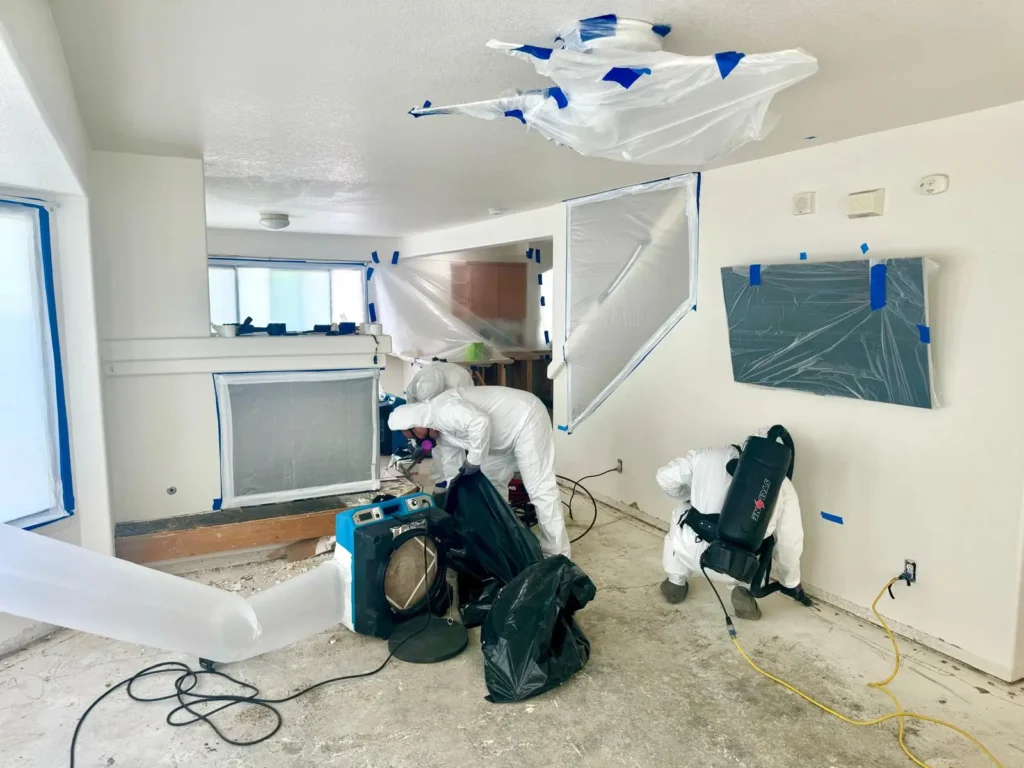
When ice dams form despite prevention efforts—or when you’ve inherited a problem in a newly purchased home—professional intervention is essential to prevent or mitigate water damage.
Our Emergency Response Process for Colorado Homeowners
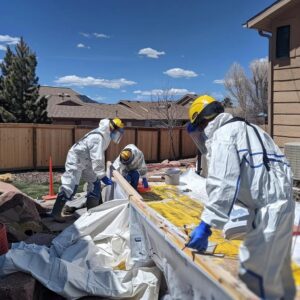
Within 60 minutes of your call, our water damage restoration specialists serving Denver, Aurora, Lakewood, Parker, Castle Rock, and Boulder County begin:
Immediate assessment and containment:
- Safe ice dam evaluation (never attempt DIY removal—roof damage and personal injury risks are severe)
- Interior water intrusion inspection using thermal imaging and moisture meters
- Emergency water extraction if active leaking is occurring
- Temporary protective measures to prevent additional damage
Professional ice dam mitigation:
- Low-pressure steam removal (the only safe method that doesn’t damage roofing)
- Channeling creation to allow trapped water to drain safely
- Gutter and downspout clearing to restore proper drainage
- Temporary roof protection if shingle damage has occurred
Complete water damage restoration:
- Structural drying using commercial-grade dehumidifiers and air movers designed for Colorado’s low-humidity climate
- Affected material removal (wet insulation, damaged drywall, compromised framing)
- Antimicrobial treatment to prevent mold growth
- Air quality testing and clearance verification
- Complete reconstruction restoring your home to pre-damage condition
Why Local Colorado Expertise Matters for Ice Dam Damage
Not all water damage restoration companies understand Colorado’s unique challenges. National franchises may follow standardized protocols that don’t account for:
- Altitude effects on drying times (lower air pressure affects equipment performance)
- Colorado’s extremely dry baseline climate (which can actually complicate moisture removal from saturated building materials)
- Local building codes specific to Denver and surrounding municipalities
- Seasonal access challenges during ongoing winter weather
- Insurance claim processes for Colorado carriers
Our team has restored hundreds of Colorado homes affected by ice dam water damage. We understand that a Castle Rock home built in 1985 has different vulnerabilities than new construction in Highlands Ranch. We know that south-facing exposures in Denver create specific risk patterns. We’re not just water damage restoration specialists—we’re your neighbours who understand exactly what Front Range homeowners face each winter.
Don’t Wait Until It’s Too Late: Protect Your Denver-Area Home Today
Ice dam damage is one of the most preventable yet potentially devastating winter threats Colorado homeowners face. Whether you’re seeing warning signs right now, want to protect your home before the next snowstorm, or are dealing with active water intrusion, immediate professional attention makes the difference between minor repairs and catastrophic losses.
As a local, family-owned restoration company serving the Denver metropolitan area for over 20 years, we’ve seen firsthand how quickly ice dam water damage escalates—and how much heartbreak and expense proper prevention and rapid response can save.
Your Home Deserves Colorado’s Best
You’ve worked too hard building your life here to watch it deteriorate from preventable damage. At Elyon Restoration, we treat every Denver-area home like our own. We show up when promised, explain everything clearly, fight for you with insurance companies, and don’t leave until your home is fully restored.
The next storm is coming. Will you be ready?
24/7 Emergency Response • Serving Denver, Aurora, Lakewood, Littleton, Highlands Ranch, Parker, Castle Rock, Boulder & All Front Range Communities