Discovering mold growth after experiencing water damage in your Boulder County home requires immediate professional attention to prevent structural deterioration and potential health complications. While many Colorado homeowners believe our semi-arid climate provides natural protection against fungal growth, the reality is that water intrusion from burst pipes, roof leaks, or flooding creates ideal conditions for mold colonization—even at high altitude.
This comprehensive guide addresses the specific challenges facing property owners in Boulder, Longmont, Lafayette, and Louisville when confronting hidden mold after water damage incidents. You’ll learn how to identify concealed growth, understand Colorado’s regulatory landscape, and recognize when DIY detection efforts should give way to certified remediation specialists.
Is Mold a Concern in Colorado? The Truth About Our Semi-Arid Climate
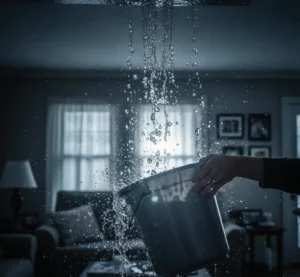
Yes, mold is absolutely a concern in Colorado despite our semi-arid climate—water damage creates localized humidity pockets where fungal spores thrive regardless of regional aridity. The misconception that Colorado’s dry environment prevents mold growth has led many homeowners to delay critical inspections after water incidents, resulting in extensive hidden colonization.
Colorado’s average relative humidity of 30-40% does slow surface mold compared to coastal regions, but this statistic misses the critical point: mold doesn’t need ambient humidity when it has direct moisture access. A leaking pipe behind drywall, water-damaged insulation in an attic, or saturated carpet padding creates microenvironments with 60-90% humidity—well above the 55% threshold where common household molds (Aspergillus, Penicillium, Stachybotrys) flourish.
Boulder County’s unique climate variables actually increase certain mold risks:
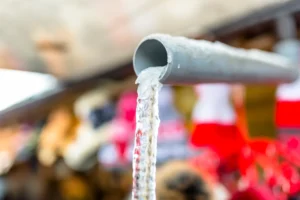
- Temperature fluctuations: Freeze-thaw cycles common along the Front Range cause pipe expansion and contraction, leading to failures that introduce water into wall cavities
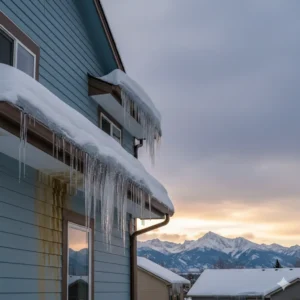
- Snow accumulation: Heavy snowpack on roofs can lead to ice damming and gradual water intrusion that goes unnoticed for weeks
- Altitude effects: Lower atmospheric pressure at 5,000+ feet can affect building materials’ moisture absorption rates, creating unexpected vulnerability points
Does Water Damage Cause Mold in High-Altitude Homes?
Water damage causes mold growth in high-altitude homes within 24-48 hours when organic materials remain saturated, regardless of elevation. The biological mechanism is identical whether you’re in Boulder at 5,430 feet or at sea level—mold spores (which are omnipresent in all environments) germinate when they contact moisture, oxygen, and food sources like wood, drywall paper, or carpet fibers.
High-altitude construction in luxury Boulder County estates actually presents specific vulnerabilities. Many upscale properties feature:
- Hardwood flooring with subfloor systems that trap moisture
- Finished basements with organic wall coverings (fabric panels, wood wainscoting)
- Complex HVAC systems with ductwork that can distribute spores throughout the home
- Stone facades that can channel water into unexpected interior cavities
The critical 48-hour window for preventing mold growth becomes even more crucial at altitude. Professional water extraction and industrial dehumidification aren’t optional—they’re essential safeguards against hidden contamination.
Most Common Hidden Mold Locations After Water Damage
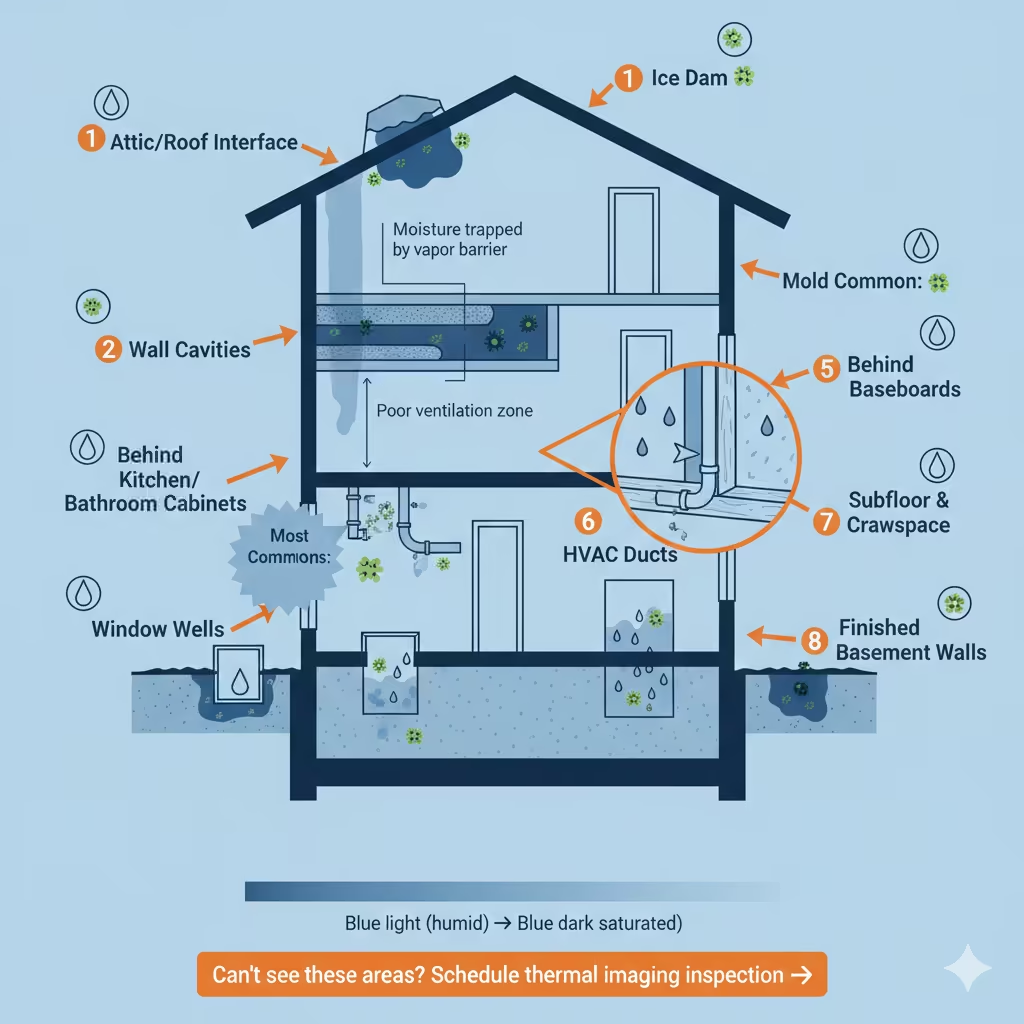
Hidden mold colonizes specific areas where moisture accumulates, but visual inspection is difficult or impossible. The most common concealed growth zones include wall cavities, beneath flooring systems, inside HVAC ductwork, and within insulation materials.
Understanding these high-risk locations helps homeowners and inspectors target detection efforts effectively:
| Location | Why Mold Grows Here | Detection Method | Risk Level |
| Behind Baseboards | Capillary action draws water up from flooring | Moisture meter scanning, thermal imaging | High |
| Wall Cavities | Trapped moisture from exterior leaks or plumbing failures | Borescope inspection, moisture mapping | Very High |
| Subfloor & Crawlspaces | Poor ventilation, groundwater seepage | Visual inspection with proper lighting, humidity monitoring | Critical |
| HVAC Systems | Condensation accumulation, poor drainage | Air quality testing, duct camera inspection | Moderate to High |
| Attic Insulation | Roof leaks, ice dam damage, inadequate ventilation | Insulation displacement, moisture readings | High |
| Finished Basements | Foundation cracks, window well failures, sump pump malfunctions | Concrete moisture testing, wall cavity probing | Very High |
Not Sure What Type of Mold You’re Dealing With? While this guide focuses on detecting hidden mold locations, identifying the specific species is crucial for remediation planning. Our mold identification guide includes a detailed comparison table of Aspergillus, Cladosporium, Stachybotrys, and other common Colorado mold species.
Boulder County’s distinctive architecture—from historic brick homes in downtown Boulder to modern mountain contemporary estates in the foothills—each presents unique concealment challenges that require specialized detection approaches.
Hidden Mold in Walls: What Boulder Homeowners Need to Look For
Mold grows inside walls when moisture penetrates exterior cladding or originates from plumbing failures within wall cavities. Boulder’s high-end construction typically features dense drywall, quality insulation, and sometimes decorative wood paneling that effectively masks contamination until it becomes extensive.
Watch for these subtle indicators of concealed wall mold:
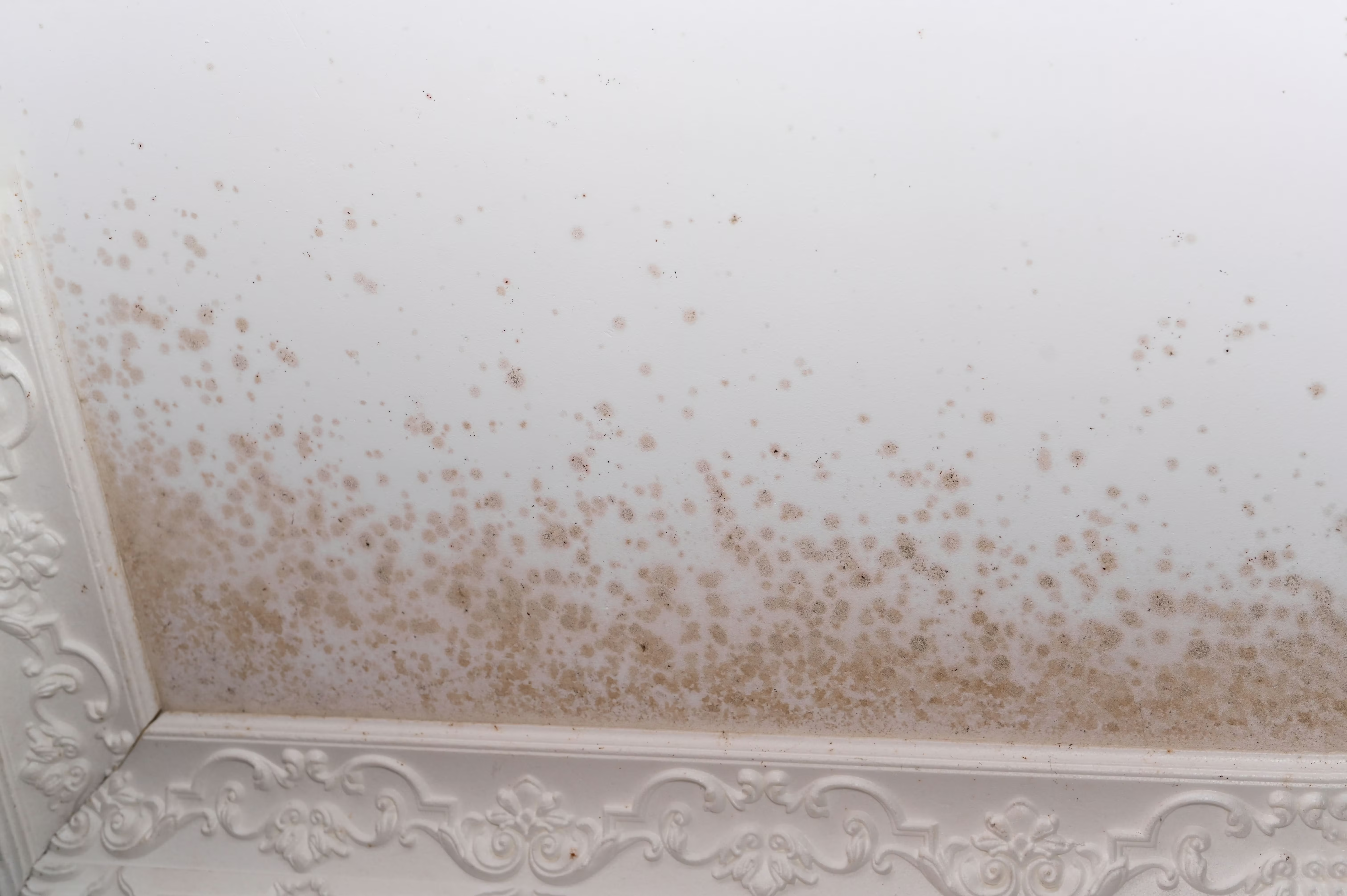
- Discoloration patterns: Yellowish or brownish stains that appear without an obvious water source
- Paint and wallpaper anomalies: Bubbling, peeling, or warping despite stable humidity
- Textural changes: Soft spots, subtle bulging, or areas that feel cooler to the touch
- Musty odors: Persistent earthy smell concentrated near specific wall sections
- Efflorescence: White, chalky deposits on exterior brick or stone (indicates moisture movement)
Homes with stucco exteriors—common in Lafayette and Louisville—are particularly vulnerable. Colorado’s freeze-thaw cycles create micro-cracks that allow moisture infiltration while the stucco’s impermeability prevents drying. This creates ideal conditions for sustained mold colonization within wall assemblies.
Professional mold inspectors use non-invasive thermal imaging to identify temperature differentials indicating wet insulation or active growth, followed by targeted moisture meter readings to confirm suspicions before any destructive investigation.
How to Detect Hidden Mold in Your Home Before It Spreads
Early detection relies on systematic monitoring of high-risk areas using both sensory observation and diagnostic equipment. Homeowners can implement a proactive detection protocol without professional equipment:
Visual inspection checklist:
- Examine ceiling corners and edges where walls meet ceilings (first growth zones)
- Check behind and under sinks, washing machines, and water heaters monthly
- Inspect window frames and sills, especially on north-facing walls
- Look for condensation patterns on windows during temperature swings
- Monitor basement floors for efflorescence or damp spots after snowmelt
Olfactory detection:
- Trust your nose—mold produces distinctive volatile organic compounds (VOCs)
- Note any rooms that smell musty despite regular cleaning
- Pay attention to odors that intensify when heating systems activate
- Distinguish between general mustiness and sharp, earthy mold smell
Environmental monitoring:
- Use inexpensive hygrometers to track humidity in basements and bathrooms
- Maintain indoor humidity between 30-50% year-round
- Document any unexplained humidity spikes
For Longmont homeowners dealing with older properties, annual professional mold testing provides baseline data and identifies problems before visible growth appears. This is particularly valuable in homes with finished basements or extensive remodeling where building cavities aren’t easily accessible.
The Risks of Delay: Is Black Mold from Water Damage Dangerous?
Yes, black mold (Stachybotrys chartarum) from water damage poses serious health risks and requires immediate professional remediation. However, not all dark-colored mold is Stachybotrys, and all mold species—regardless of color—can trigger health issues and structural damage when allowed to proliferate.
The dangers of delayed mold remediation extend beyond health concerns:
Health impacts escalate with exposure duration:
- Respiratory irritation and allergic reactions occur within days
- Chronic exposure can trigger asthma development or worsen existing conditions
- Immunocompromised individuals face serious infection risks
- Mycotoxin exposure may cause neurological symptoms in severe cases
Property damage accelerates exponentially:
- Mold digests organic materials, compromising structural integrity
- Contaminated belongings often require complete disposal
- Insurance coverage may be denied if negligence or a delayed response is documented
- Property values can drop 10-20% when mold history is disclosed
Boulder County’s real estate market commands premium prices for well-maintained properties. A documented mold remediation handled professionally protects resale value far more effectively than attempting to conceal or minimize the issue.
Understanding Black Mold Removal in Denver: Safety Protocols
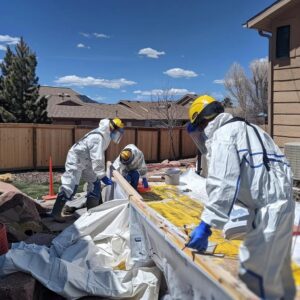
Professional black mold removal follows EPA and IICRC protocols that prevent cross-contamination and ensure complete eradication. This is not a DIY project—attempting amateur remediation typically spreads spores throughout the home and worsens contamination.
Certified mold remediation specialists implement containment barriers using negative air pressure systems, ensuring spores don’t migrate to clean areas. HEPA filtration captures airborne particles, while antimicrobial treatments address surface contamination.
The protocol includes:
- Assessment and testing: Lab analysis identifies species and concentration levels
- Containment setup: Polyethylene barriers and negative air machines create isolated work zones
- Material removal: Porous materials (drywall, insulation, carpet) are carefully removed and disposed of
- Surface remediation: Non-porous surfaces receive HEPA vacuuming and antimicrobial treatment
- Air scrubbing: Industrial HEPA filtration runs for 24-48 hours minimum
- Verification testing: Post-remediation clearance testing confirms successful removal
For Louisville homeowners with multi-level properties, remediation often requires staging to maintain livability while ensuring thorough treatment. Professional companies coordinate with general contractors for reconstruction, streamlining the restoration process.
Professional Solutions: Mold Testing in Colorado and Remediation Laws
Colorado does not require specific licensing for mold remediation professionals, but reputable companies voluntarily obtain IICRC certifications and follow industry best practices. This regulatory gap makes choosing a qualified remediation company critical for Boulder County homeowners.
Colorado mold remediation laws focus on disclosure requirements rather than practitioner licensing:
- Sellers must disclose known mold issues during real estate transactions
- Landlords must address mold problems affecting habitability
- Insurance policies may exclude coverage for long-term maintenance-related mold
- No statewide certification requirement exists, but local jurisdictions may impose standards
When selecting a mold remediation company, verify:
- IICRC certification: Industry gold standard for water damage and mold remediation
- EPA Lead-Safe certification: Required if disturbing paint in pre-1978 homes
- Workers’ compensation insurance: Protects homeowners from liability
- References from local properties: Particularly valuable in Boulder County’s unique construction environment
Professional mold testing in Colorado involves both air sampling and surface sampling. Air tests identify spore concentrations and species present, while surface samples confirm active growth. Baseline testing before remediation and clearance testing afterward document the scope of contamination and verify successful treatment.
Mold Remediation in Longmont, Lafayette, and Boulder: Local Expertise Matters
Local mold remediation companies understand Boulder County’s specific challenges—from historic brick homes to modern LEED-certified construction. This regional expertise translates to more effective remediation and prevents common mistakes.
Longmont’s mix of agricultural heritage properties and newer suburban development requires contractors familiar with both old timber framing susceptible to dry rot and modern building systems prone to HVAC-related mold issues.
Lafayette and Louisville’s rapid growth have introduced contemporary construction methods that behave differently from traditional Front Range building styles. Remediation specialists working in these communities must understand:
- How ICF (insulated concrete form) foundations affect moisture dynamics
- Spray foam insulation’s role in trapping moisture when improperly installed
- Radiant floor heating’s potential to mask water leaks until mold develops
- The interaction between xeriscaping, drainage, and foundation waterproofing
Boulder’s stringent building codes and historical preservation requirements add complexity to remediation projects. Contractors must navigate permitting requirements while ensuring work meets both health and safety standards and architectural guidelines.
Choosing a company with documented experience in your specific Boulder County community ensures they understand local building practices, climate challenges, and municipal requirements.
How to Prevent Mold After Water Damage?
Preventing mold growth after water damage requires immediate action within 24-48 hours and sustained moisture control during the drying process. The most effective prevention strategy combines rapid water extraction with industrial dehumidification and comprehensive moisture monitoring.
Immediate response steps (first 24 hours):
- Stop the water source: Shut off the main water supply if necessary
- Remove standing water: Use wet/dry vacuums or pumps for large volumes
- Extract moisture from materials: Professional extraction equipment reaches deep into carpets and padding
- Increase air circulation: Open windows (weather permitting) and run fans
- Remove wet contents: Furniture, rugs, and belongings absorb moisture and should be isolated
Drying phase (days 2-7):
- Deploy industrial dehumidifiers: Consumer units lack the capacity for serious water damage
- Monitor moisture levels daily: Use moisture meters on walls, floors, and hidden spaces
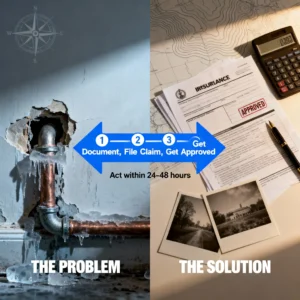
- Document the drying process: Photos and readings protect insurance claims
- Treat at-risk materials: Apply antimicrobial solutions to surfaces vulnerable to rapid colonization
Verification phase (days 7-14):
- Confirm drying completion: All materials should reach normal moisture content
- Inspect hidden areas: Behind baseboards, inside wall cavities if opened
- Consider preventive treatment: Encapsulation or antimicrobial coatings in chronic problem areas
For Boulder County’s climate, remember that our low humidity can be deceptive. Materials may feel dry to the touch while retaining sufficient moisture internally to support mold growth.
Strategic Steps for Preventing Mold After Water Damage in Large Estates
Large estates and luxury properties require coordinated, zone-based moisture management to prevent mold in multi-room water damage scenarios. Boulder County’s high-value homes often feature complex HVAC systems, multiple levels, and finished basements that complicate drying efforts.
Professional-grade prevention protocols for extensive properties:
- Establish multiple dehumidification zones: Position commercial-grade units to create overlapping coverage
- Implement continuous monitoring: Digital hygrometers with logging capabilities track conditions across all affected spaces
- Coordinate with HVAC systems: Use existing ductwork to distribute conditioned air, but only after duct cleaning if contamination is suspected
- Address structural vulnerabilities simultaneously: If water damage reveals flashing failures or foundation issues, repair them during the drying phase
- Plan for extended drying times: Large spaces with significant thermal mass (stone flooring, concrete walls) require 2-3 weeks of active drying
High-end finishes common in Boulder luxury homes—engineered hardwoods, custom millwork, designer wallcoverings—demand specialized drying techniques. Professional restoration companies use inject-dry systems for hardwood floors and controlled low-temperature drying for sensitive materials.
Mountain properties face additional challenges from altitude and temperature extremes. Heating systems must be carefully managed to maintain temperatures that support drying without causing thermal shock to materials or creating new condensation problems.
Frequently Asked Questions (FAQ)
How to check for mold after water damage in the house?
Check for mold after water damage by visually inspecting all affected areas, using your sense of smell to detect musty odors, and employing a moisture meter to find hidden dampness. Focus on these specific steps:
- Visual inspection: Look for discoloration, staining, or fuzzy growth on walls, ceilings, floors, and contents
- Smell test: Mold produces distinctive earthy, musty odors—trust your nose in identifying problem areas
- Moisture mapping: Use an inexpensive moisture meter to scan walls, floors, and baseboards for elevated readings
- Check hidden spaces: Don’t neglect behind furniture, inside cabinets, and under sinks
For comprehensive assessment, professional mold testing provides laboratory analysis of air and surface samples, definitively identifying species and concentration levels.
What is the average cost of mold remediation in Denver, Colorado?
Average mold remediation costs in Denver range from $1,500 for minor bathroom contamination to $15,000+ for whole-house remediation requiring extensive material removal. Boulder County costs typically run 10-20% higher due to:
- Premium property values requiring meticulous restoration
- Local building code compliance adds permitting costs
- Travel time for specialized equipment and certified technicians
- Higher labor rates reflecting Front Range cost of living
Factors affecting final cost include:
- Contamination extent: Square footage affected and depth of penetration
- Material types: Removing contaminated hardwood costs more than carpet
- Accessibility: Crawlspace work costs more than open basement areas
- Testing requirements: Pre- and post-remediation lab analysis adds $300-$800
Insurance coverage varies—sudden water damage is typically covered, but long-term maintenance issues may be excluded. Document everything thoroughly to support claims.
Does Colorado require a license for mold remediation?
Colorado does not mandate state-level licensing for mold remediation contractors. However, this absence of regulation makes due diligence essential when selecting a remediation company.
Look for these voluntary certifications and qualifications:
- IICRC certification: Water Damage Restoration Technician (WRT) and Applied Microbial Remediation Technician (AMRT) credentials
- EPA Lead-Safe certification: Required when working in pre-1978 homes
- Workers’ compensation insurance: Protects homeowners from liability
- General liability insurance: Minimum $1 million coverage recommended
Some Boulder County municipalities may impose additional requirements through building permits. Always verify local permitting needs before remediation begins.
The absence of state licensing means homeowners must carefully vet contractors, check references, and ensure work follows EPA and IICRC protocols regardless of legal requirements.
What’s the difference between general mold and water damage mold?
All mold requires moisture, but post-water damage mold grows more aggressively due to sudden, significant moisture saturation. Water damage creates ideal conditions for rapid colonization across multiple surfaces simultaneously, while general household mold typically develops slowly in chronic moisture areas like bathrooms.
For a comprehensive overview of how different mold types grow and spread in various conditions, see our complete mold identification guide.
Expert Mold Detection in Homes: Schedule Your Professional Inspection
Don’t wait for visible mold growth to compromise your Boulder County property’s value and your family’s health. Professional mold detection identifies contamination before it becomes extensive, protecting both your investment and well-being.
Elyon Restoration and Abatement brings 20+ years of Colorado-specific expertise to every mold inspection and remediation project. Our IICRC-certified technicians understand the unique challenges of Boulder, Longmont, Lafayette, and Louisville homes—from historic properties to contemporary mountain estates.
We offer comprehensive mold detection service,s including:
- Thermal imaging to identify hidden moisture
- Laboratory-certified air and surface testing
- Moisture mapping with commercial-grade equipment
- Detailed remediation planning with transparent pricing
- Direct insurance communication and claims assistance
Your home deserves more than a one-size-fits-all approach. Contact Elyon Restoration today for a professional assessment tailored to your property’s specific needs, construction type, and the unique climate challenges of Colorado’s Front Range.
Call 24/7 for emergency response or schedule your mold inspection: Protecting your Boulder County home starts with understanding what’s hidden behind the walls.